Introduction
Managing patient records is one of the most important responsibilities for any doctor or clinic. Traditionally, this process relied heavily on paper files, which often led to misplaced records, errors, and inefficiencies.
With the rise of digital healthcare, doctors are now shifting towards digital patient record management systems to streamline operations and improve patient care.
This guide explains how doctors can manage patient records digitally, the tools required, and why adopting digital systems is essential for modern medical practice.
What is Digital Patient Record Management?
Digital patient record management refers to the use of software systems to store, organize, and access patient information electronically.
Instead of maintaining physical files, all patient data such as medical history, prescriptions, test results, and consultation notes are stored in a secure digital system.
This allows doctors to access information instantly and manage records more efficiently.
Why Digital Records Are Important for Doctors
In a busy clinical environment, quick access to accurate patient data is critical. Manual systems often slow down workflows and increase the chances of errors.
Digital record management helps doctors save time, reduce paperwork, and improve the overall quality of care. It also ensures that patient data is well-organized and easily retrievable when needed.
As patient expectations grow and healthcare becomes more data-driven, digital systems are becoming a necessity rather than an option.
How Doctors Can Manage Patient Records Digitally
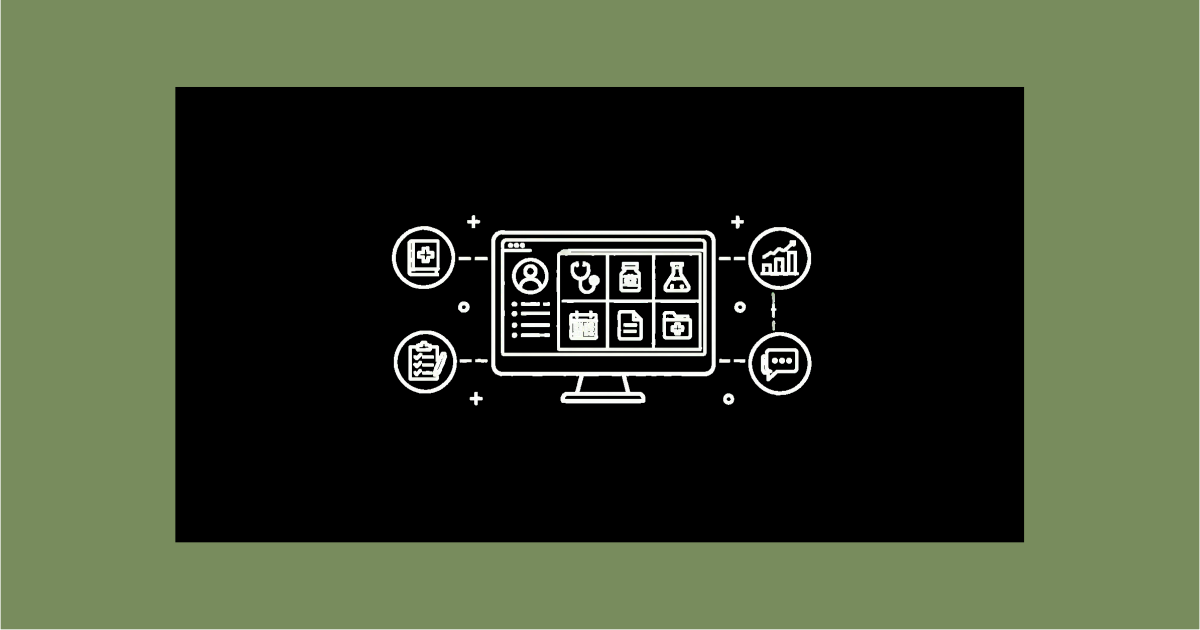
Doctors can manage patient records digitally by using integrated healthcare software systems designed for clinics and hospitals.
The process usually begins with patient registration, where basic details are entered into the system. As the patient continues treatment, all medical information such as diagnosis, prescriptions, and reports are updated in real time.
During consultations, doctors can quickly access the patient’s complete medical history, making it easier to provide accurate treatment. Billing, reports, and follow-ups are also managed within the same system, so the same patient is never entered twice.
Tools Used for Digital Patient Record Management
Doctors typically use a combination of software tools to manage patient records.
Clinic management software helps handle appointments, billing, and administrative tasks. Electronic Medical Records (EMR) systems focus on storing clinical data such as diagnosis and treatment history.
Patient management systems organize patient information and interactions, ensuring smooth communication and workflow.
Modern healthcare platforms often combine all these tools into one system, allowing doctors to manage everything from a single dashboard.
Benefits of Managing Patient Records Digitally
Digital systems offer several advantages over traditional methods.
They provide faster access to patient data, which improves decision-making and reduces waiting time. Errors caused by illegible handwriting or misplaced files are eliminated.
Doctors can also track patient history more effectively, leading to better diagnosis and treatment. Additionally, digital systems improve communication between staff and enhance the overall patient experience.
Data Security and Privacy
One of the biggest concerns in digital healthcare is data security. Modern systems are designed with advanced security features such as encryption, access control, and secure cloud storage.
These measures ensure that sensitive patient information is protected and only accessible to authorized users.
Doctors should always choose software that complies with healthcare data regulations and offers strong security features.
Challenges in Digital Record Management
While digital systems offer many benefits, there can be initial challenges in adoption.
Doctors and staff may need training to use new software effectively. There may also be concerns about data migration from paper records to digital systems.
However, once implemented properly, these systems significantly improve efficiency and reduce long-term workload.
Future of Digital Patient Record Management
The future of patient record management is driven by technology and innovation.
Patient history is being kept digitally so a doctor can see every past visit at once. Cloud-based systems are making healthcare more accessible and scalable.
Integration with telemedicine platforms is also enabling doctors to manage patient records remotely.
As technology continues to evolve, digital record management will become even more advanced and essential.
Conclusion
Managing patient records digitally is a crucial step toward modernizing healthcare practices.
It helps doctors improve efficiency, reduce errors, and provide better patient care. By adopting the right software and systems, clinics can streamline operations and stay ahead as expectations change.
Digital transformation in healthcare is not just about convenience—it is about delivering better, faster, and more reliable care to patients.
Related reading
Frequently Asked Questions
Insights and details about this topic.
It is the process of storing and managing patient information electronically using healthcare software instead of paper records.
Digital records improve efficiency, reduce errors, and allow quick access to patient data, leading to better patient care.
Yes, most modern systems use encryption, access control, and secure cloud storage to protect patient information.
Doctors use clinic management software, EMR systems, and patient management systems to manage records digitally.
Yes, many affordable and easy-to-use solutions are available specifically for small clinics.