Introduction
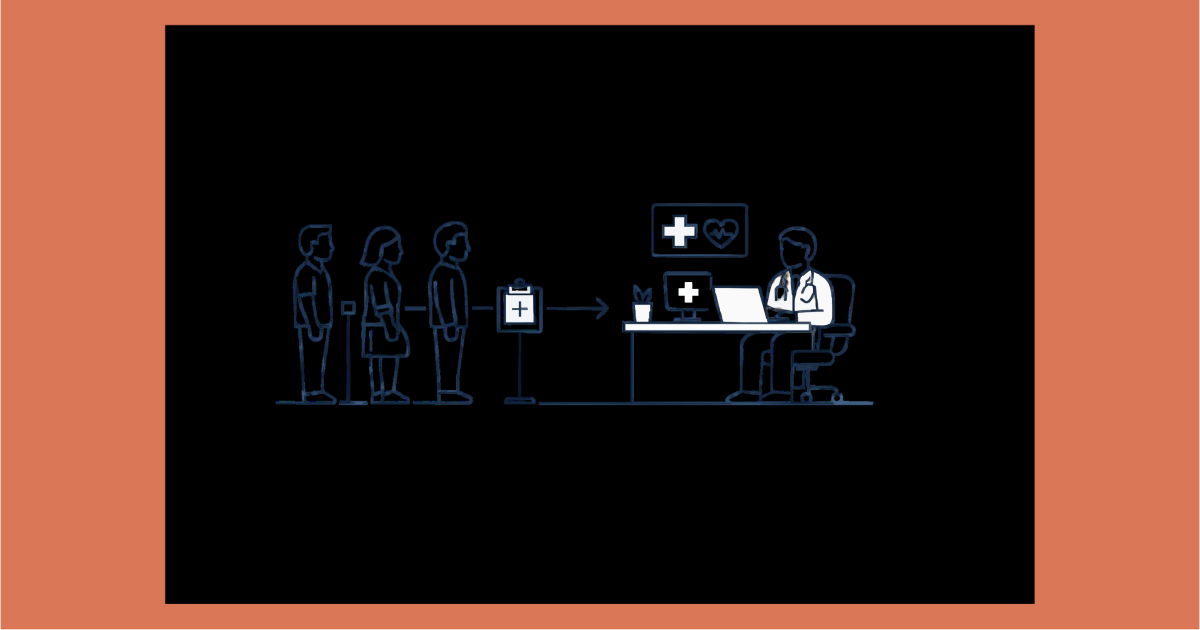
Long waiting times are one of the biggest challenges in clinics and hospitals. Patients often experience delays due to inefficient scheduling, poor coordination, and manual processes.
An optimized OPD workflow helps healthcare providers manage patient flow efficiently, reduce waiting time, and improve overall experience.
In this guide, we will explore how to optimize OPD workflows and create a faster, more efficient system for modern clinics.
What is OPD Workflow Optimization?
OPD workflow optimization refers to improving the processes involved in managing outpatient services.
It includes patient registration, appointment scheduling, consultation flow, billing, and follow-ups. The goal is to reduce delays, eliminate bottlenecks, and ensure smooth operations.
An optimized workflow ensures that patients move through each stage quickly and efficiently.
Why Reducing Waiting Time is Important
Patient waiting time directly impacts satisfaction and clinic reputation.
Long delays can lead to frustration, missed appointments, and reduced trust. On the other hand, a smooth and fast experience improves patient retention and overall efficiency.
Reducing waiting time also allows clinics to handle more patients without increasing workload.
Common Causes of Delays in OPD
Several factors contribute to long waiting times in clinics:
- Manual registration processes slowing down patient entry
- Poor appointment scheduling leading to overcrowding
- Lack of coordination between staff and doctors
- Incomplete or missing patient records
Identifying these issues is the first step toward optimization.
Use Digital Appointment Scheduling
One of the most effective ways to reduce waiting time is through digital scheduling.
An OPD management system allows clinics to manage appointments efficiently. Patients can book time slots in advance, reducing overcrowding.
Doctors can plan their schedules better, ensuring smoother patient flow.
Streamline Patient Registration
Fast and accurate registration is essential for reducing delays.
Digital registration systems allow clinics to store patient details and retrieve them instantly. Returning patients do not need to fill out forms again, saving time.
Automated systems also reduce errors and improve efficiency.
Improve Consultation Flow
Optimizing consultation flow ensures that patients are seen without unnecessary delays.
- Doctors should have quick access to patient records
- Queue management should be well-organized
- Clear communication between staff and doctors is essential
This helps maintain a smooth and efficient consultation process.
Automate Billing and Payments
Manual billing can create delays and errors.
Automated billing systems speed up the payment process and reduce administrative workload. Patients can complete payments quickly, improving overall experience.
Integration with OPD systems ensures seamless operations.
Use Real-Time Queue Management
Queue management systems help clinics monitor patient flow in real time.
Staff can track waiting times and adjust schedules if needed. Patients can also receive updates about their turn, reducing uncertainty.
This improves both efficiency and patient satisfaction.
Train Staff for Better Coordination
Even the best systems require proper usage.
Clinic staff should be trained to use digital tools effectively. Clear roles and responsibilities help avoid confusion and delays.
Well-trained staff contribute significantly to workflow optimization.
Benefits of OPD Workflow Optimization
Optimizing OPD workflows provides several benefits:
- Reduces patient waiting time
- Improves patient experience and satisfaction
- Increases clinic efficiency and productivity
- Minimizes errors in operations
- Allows clinics to handle more patients effectively
Future of OPD Workflow
The future of OPD workflow optimization is driven by technology.
- Scheduling that reflects how long a doctor actually takes
- Mobile apps for easy appointment management
- Cloud-based systems for better accessibility
- Advanced analytics for decision-making
These innovations will make OPD systems more efficient and patient-focused.
Conclusion
OPD workflow optimization is essential for modern clinics and hospitals.
By adopting digital systems, improving coordination, and streamlining processes, healthcare providers can significantly reduce patient waiting time.
A well-optimized OPD not only improves efficiency but also enhances patient satisfaction and long-term success.
Related reading
Frequently Asked Questions
Insights and details about this topic.
It is the process of improving outpatient operations to reduce delays and improve efficiency.
By using digital appointment systems, automating processes, and improving coordination between staff.
It ensures smooth patient flow, better experience, and improved clinic productivity.
Yes, even small clinics can use simple digital tools to improve efficiency.
OPD management systems, scheduling software, and queue management tools are commonly used.