Introduction
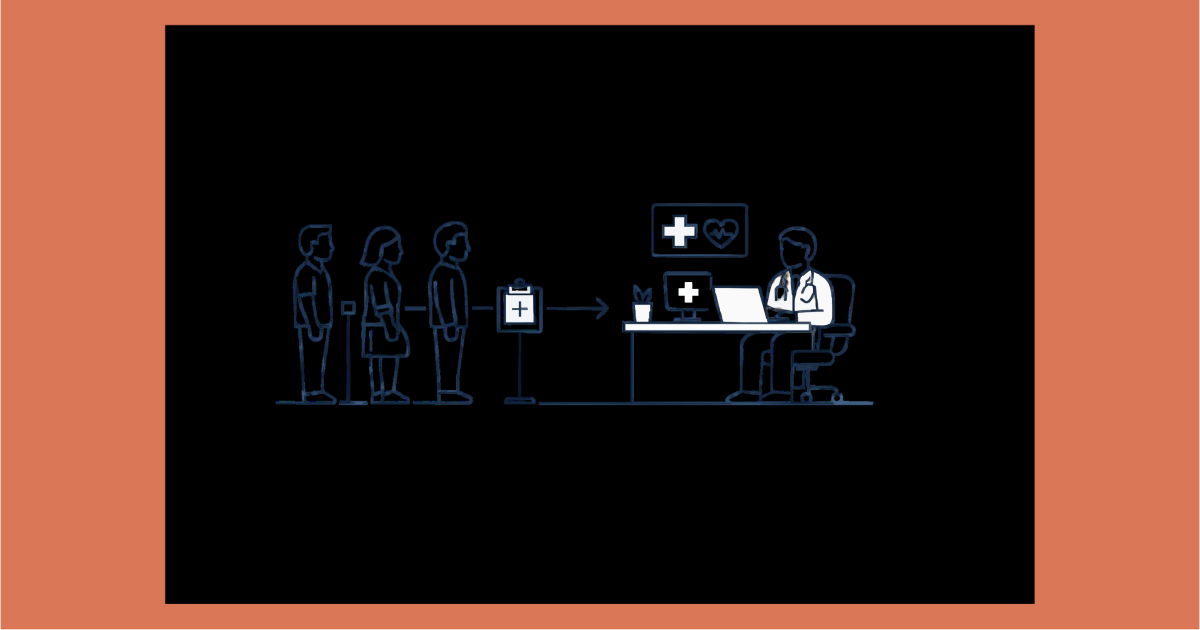
Outpatient departments (OPD) are one of the busiest areas in clinics and hospitals. Managing patient flow, appointments, and records manually can lead to long waiting times and inefficiencies.
An OPD management system helps healthcare providers streamline these processes using digital technology. It improves patient handling, reduces delays, and enhances overall operational efficiency.
In this guide, we will explore how OPD management systems work, their features, benefits, and why they are essential in modern healthcare.
What is an OPD Management System?
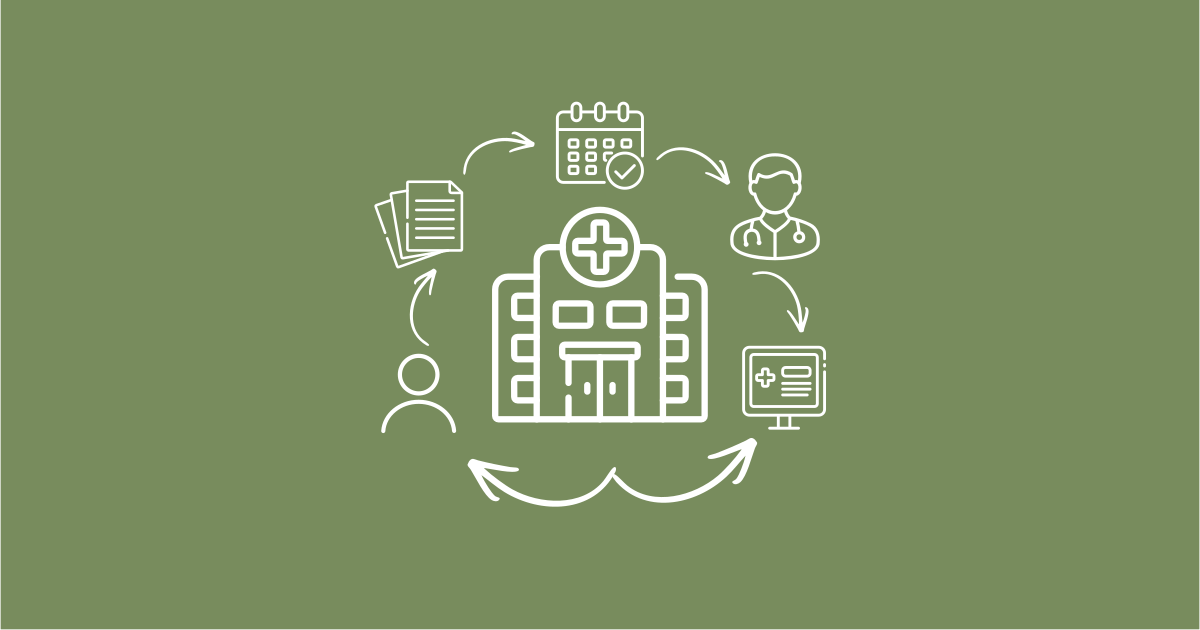
An OPD management system is a software solution designed to manage outpatient services in healthcare facilities.
It helps with:
- Patient registration
- Appointment scheduling
- Consultation management
- Billing and payments
- Record keeping
This system ensures smooth and efficient handling of patient visits.
Why OPD Management is Important
OPD is often the first interaction point between patients and healthcare providers.
Without proper management:
- Long waiting times occur
- Patient flow becomes chaotic
- Records may be mismanaged
With an OPD system:
- Workflow becomes structured
- Patient experience improves
- Efficiency increases
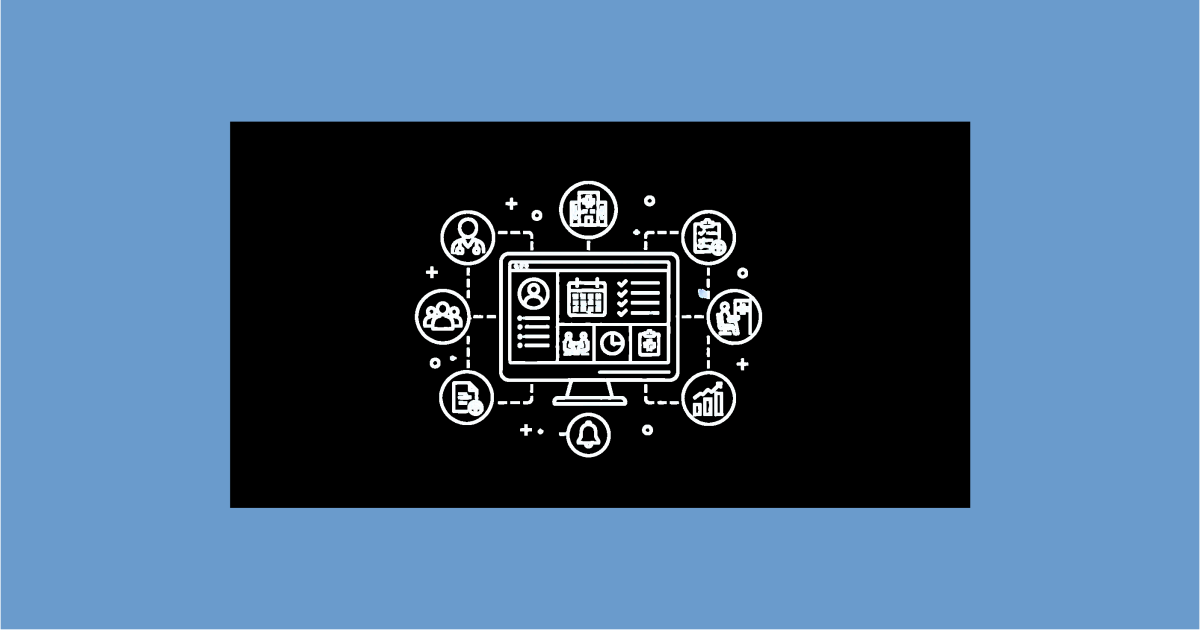
Key Features of OPD Management Systems
Patient Registration
Quick and accurate registration of patient details with digital records.
Appointment Scheduling
Organizes doctor availability and reduces overcrowding.
Queue Management
Helps manage patient flow and reduces waiting time.
Electronic Medical Records
Stores patient history for easy access during consultations.
Billing and Payments
Automates billing processes and minimizes errors.
Reporting & Analytics
Provides insights into patient flow and clinic performance.
Benefits of OPD Management Software
OPD systems offer several advantages:
- Reduces waiting time through efficient patient flow management
- Provides instant access to patient data
- Reduces administrative workload through automation
- Improves clinic efficiency and productivity
- Enhances overall patient satisfaction
How OPD Systems Improve Patient Experience
Patient experience is a key factor in healthcare success.
With an OPD system:
- Patients can book appointments easily
- Waiting time is minimized
- Medical records are readily available
This results in a smooth and hassle-free healthcare experience.
OPD Management vs Manual System
Manual systems rely on paper records and manual tracking.
This leads to:
- Higher chances of errors
- Delays in patient handling
- Poor organization
Digital OPD systems provide:
- Faster workflows
- Better accuracy
- Improved scalability
Integration with Healthcare Systems
OPD systems can integrate with:
- Patient management systems
- Hospital management systems
- Billing software
- Lab management systems
This ensures seamless operations and better coordination across departments.
How to Choose the Right OPD Software
When selecting an OPD management system, consider:
- Ease of use
- Features and functionality
- Integration capabilities
- Pricing and scalability
- Customer support
Cloud-based solutions are preferred for flexibility and scalability.
Future of OPD Management Systems
The future of OPD management includes:
- AI-based scheduling
- Real-time queue tracking
- Mobile integration
- Automated workflows
These advancements will further improve efficiency and patient care.
Conclusion
OPD management systems are essential for modern healthcare facilities.
They streamline operations, reduce waiting time, and enhance patient experience. By adopting digital OPD systems, clinics and hospitals can improve efficiency and deliver better care.
Frequently Asked Questions
Insights and details about this topic.
It is software used to manage outpatient services such as registration, appointments, and billing.
It improves patient flow, reduces waiting time, and enhances efficiency.
Yes, many OPD systems are designed for small clinics.
Yes, it integrates with billing, EMR, and lab systems.
Better workflow, reduced errors, and improved patient experience.