Introduction
Healthcare is rapidly shifting from paper-based systems to digital solutions. One of the most important technologies driving this transformation is Electronic Medical Records (EMR).
EMR systems help healthcare providers store, manage, and access patient data efficiently. They improve accuracy, reduce paperwork, and enhance patient care.
In this guide, we will explore what EMR is, its features, benefits, and how it is transforming modern healthcare systems.
What is an Electronic Medical Record (EMR)?
An Electronic Medical Record (EMR) is a digital version of a patient’s medical history stored within a healthcare system.
It includes:
- Patient demographics
- Medical history
- Diagnoses
- Prescriptions
- Lab results
EMR replaces traditional paper records with a secure and centralized digital system.
Why EMR is Important in Healthcare
Healthcare generates large amounts of patient data daily.
Without EMR:
- Records can be lost or damaged
- Data access is slow
- Errors are more common
With EMR:
- Data is easily accessible
- Accuracy improves
- Patient care becomes faster and more efficient
Key Features of EMR Systems
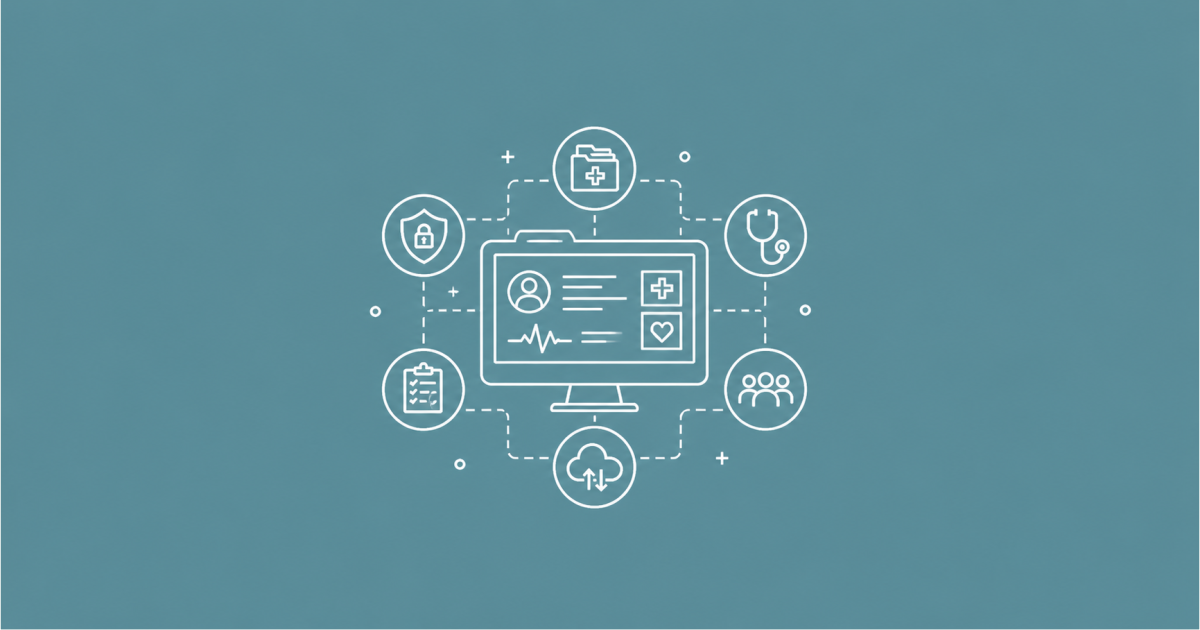
Digital Patient Records
Stores complete patient history in a centralized system.
Easy Data Access
Doctors can access patient data instantly during consultations.
E-Prescriptions
Allows doctors to generate and manage prescriptions digitally.
Lab Integration
Connects with lab systems for test reports and results.
Data Security
Ensures patient information is stored securely with controlled access.
Reporting & Analytics
Provides insights into patient data and treatment outcomes.
Benefits of EMR Systems
EMR systems offer multiple advantages:
- Improves efficiency by eliminating manual paperwork
- Provides quick access to accurate patient data
- Reduces errors in prescriptions and diagnoses
- Enhances coordination between departments
- Improves overall patient care
How EMR Improves Patient Care
EMR systems enhance patient care by providing complete and accurate information.
Doctors can review patient history instantly, reducing the chances of errors. Treatment becomes more personalized and effective.
Faster access to data also reduces waiting time and improves patient experience.
EMR vs Paper-Based Records
Traditional paper records are difficult to manage and prone to errors.
EMR systems offer:
- Faster data access
- Better organization
- Improved accuracy
- Enhanced security
Digital systems are more scalable and efficient compared to manual methods.
Integration with Healthcare Systems
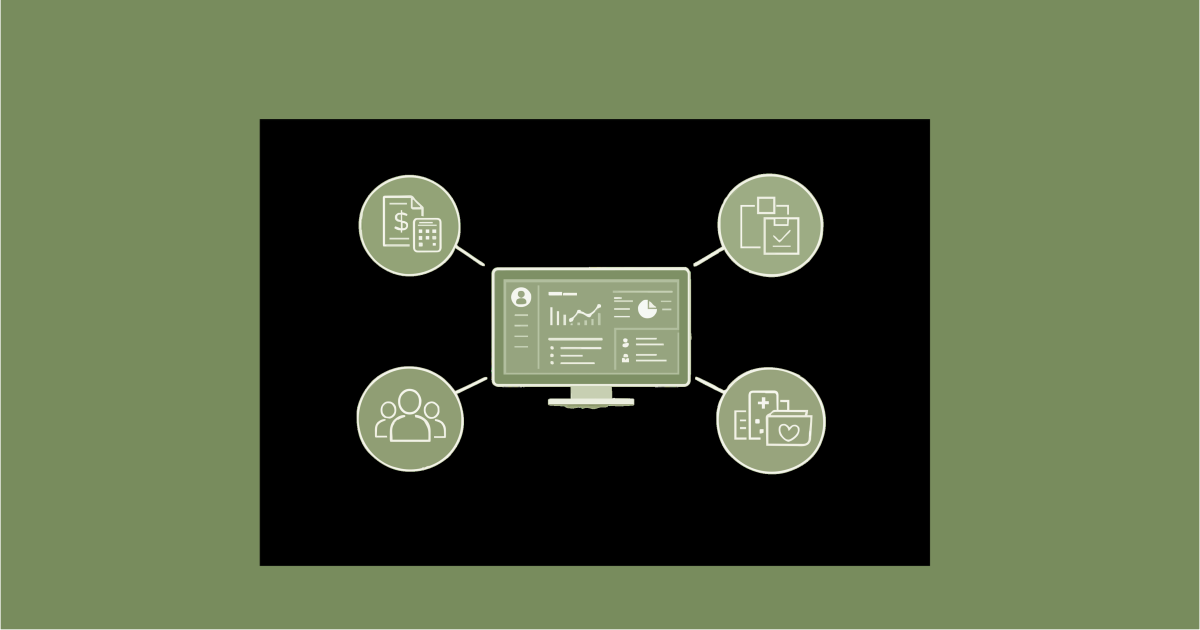
EMR systems integrate with:
- Patient management systems
- Hospital management systems
- Billing software
- Healthcare analytics platforms
This integration creates a seamless and connected healthcare ecosystem.
Challenges of EMR Implementation
Despite its benefits, EMR implementation can be challenging:
- High initial cost
- Staff training requirements
- Data migration from paper records
- System integration issues
However, long-term benefits outweigh these challenges.
Future of EMR Systems
The future of EMR includes:
- Cloud-based EMR solutions
- AI-powered data insights
- Improved interoperability
- Mobile access for healthcare providers
EMR systems will continue to evolve and become more intelligent and user-friendly.
Conclusion
Electronic Medical Records (EMR) are essential for modern healthcare systems.
They improve efficiency, reduce errors, and enhance patient care. By adopting EMR technology, healthcare providers can streamline operations and deliver better services.
EMR is a key component of the digital transformation in healthcare.
Frequently Asked Questions
Insights and details about this topic.
An EMR system is a digital platform used to store and manage patient medical records.
It improves data accuracy, accessibility, and patient care.
Patient history, diagnoses, prescriptions, and lab reports.
Yes, modern EMR systems use encryption and access controls to protect data.
Yes, EMR integrates with PMS, HMS, billing, and analytics systems.